Programmes

Education is the foundation of every civilisation.

We give special attention to the education of less-privileged children, creating programmes that take a holistic approach and aim to achieve results within the shortest possible time.

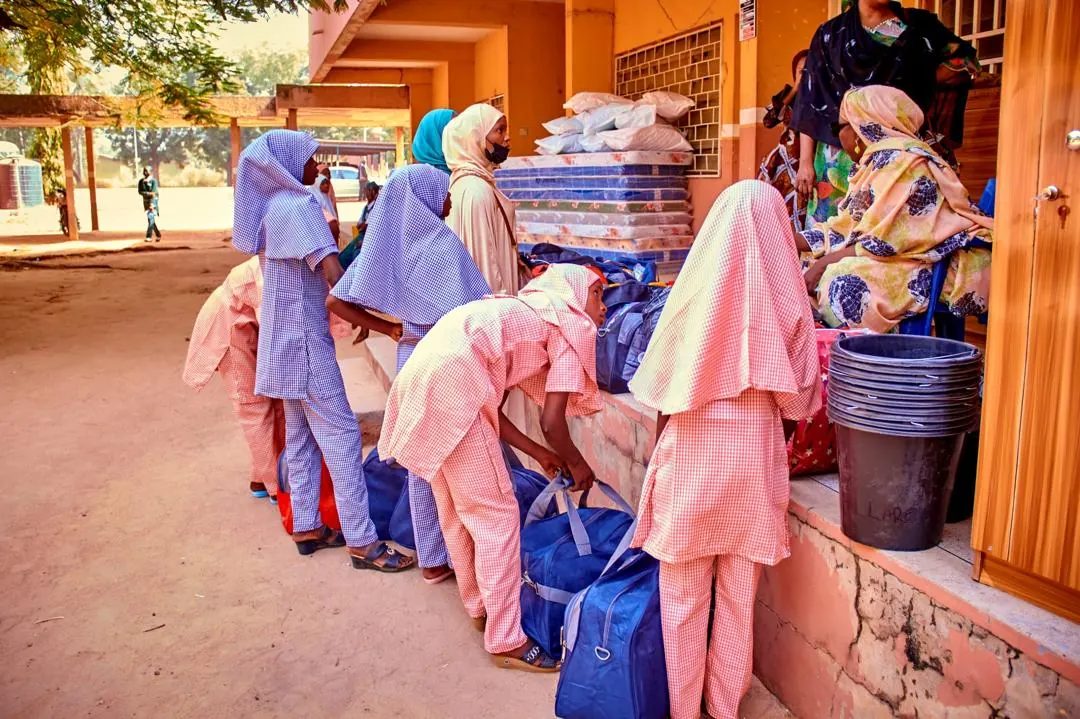
Schoolgirls in gingham uniforms and hijabs bend over blue travel bags outside a school building, beside a stack of mattresses and a pile of buckets.

Why we put education first

Education paves the way to both human and capital development. We have an in-depth understanding of the factors behind the large number of out-of-school children, known popularly as Almajiri, and of the real challenges facing Fulani herders in Nigeria.

We are determined to use the best practicable strategies to end this problem, and each of our programmes below plays a part.

Creating access to quality education

We have created policies that provide, among other things, free education for less-privileged children at all levels: basic, post-basic, secondary and tertiary.
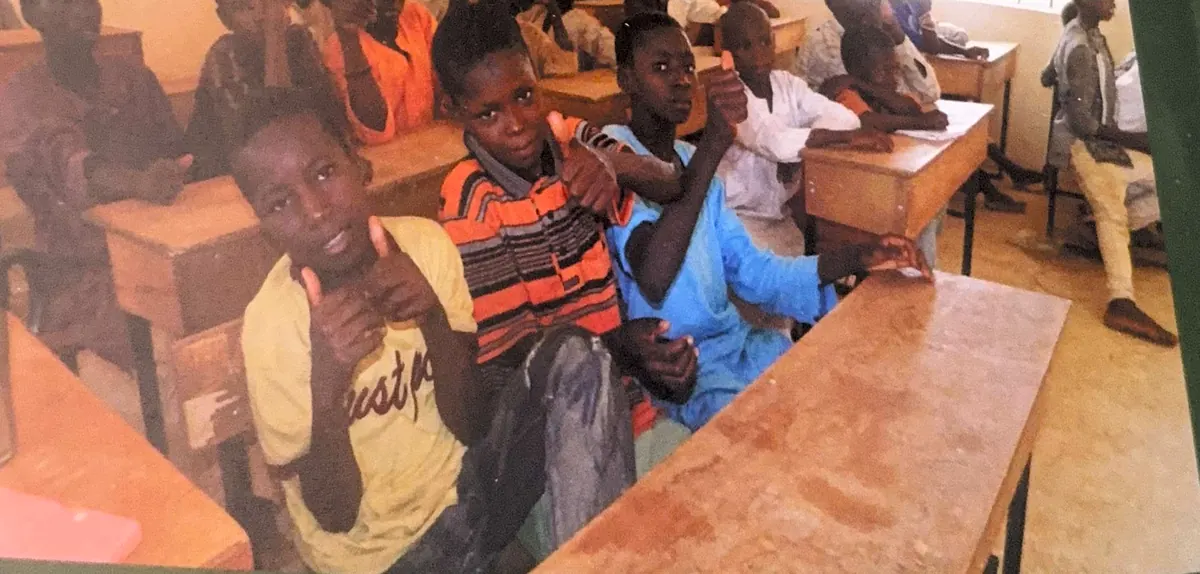
Pupils sitting at wooden desks in a classroom smile and give a thumbs-up to the camera.
What it is
Free education for less-privileged children, study bursaries for poor and needy students at tertiary level, and learning tools and teaching equipment for existing rural schools. We partner with rural schools to promote social change in marginalised or abandoned communities.
Who it serves
Less-privileged children, including the girl child, nomadic children and out-of-school Almajirai, and the rural schools that teach them.
What it aims to achieve
At least a 20% increase in girl-child enrolment in target communities, improved literacy levels, and conducive learning and teaching environments.

So far

  • Built and equipped a block of two classrooms for Mabam Rural Community School, in a Ruga Fulani settlement in Birniwa-Hadejia, Jigawa State.
  • Engaged a teacher who provides free education to the settlers.

Adult education and literacy

Adult education is where HEF began, with a basic programme for the wheelbarrow pushers inside Garki Ultra Modern Market, Abuja.

What it is
Basic literacy, post-literacy and continuing education for adults. Our work plan also includes a Women Functional Literacy Programme for parents of less-privileged children, alongside the Ministry of Women Affairs.
Who it serves
Working adults who missed out on formal education, including wheelbarrow pushers, Okada riders and petty traders, and parents of less-privileged children.
What it aims to achieve
Improved literacy levels, and access to formal education for adults.

So far

  • Ran a basic adult education programme for wheelbarrow pushers at Garki Ultra Modern Market, Abuja.
  • Started an Annual Enrolment Programme into adult education for wheelbarrow pushers, Okada riders and petty traders.

Vocational training and skills acquisition

Two of our services work together here: general vocational training for all people, and skills acquisition and empowerment for women and the girl child.

What it is
General vocational training and skills acquisition, with increased access for women, and work to create access to capital.
Who it serves
Women, more specifically housewives, widows and divorcees, and the girl child.
What it aims to achieve
Enlightened, empowered and self-reliant women in rural communities, more skilled people in those communities, and less poverty through human capital development.

Supply of clean water

We provide clean and drinkable water in rural areas.

What it is
One of our projects, delivering on our mission to provide potable drinking water to rural communities.
Who it serves
People living in rural communities.

Campaigns and sensitisation

We run campaigns and sensitisation programmes, and make advocacy visits to local government areas, traditional rulers and organisations.

What it is
Advocacy, campaigns and sensitisation, including engagement with nomadic communities on the importance of modern grazing systems and the benefits of settling in one place.
Who it serves
Fulani nomadic communities, traditional rulers, local government areas, parents and community organisations.
What it aims to achieve
Enlightened communities, and nomadic families who understand how settling in one place can better their lives and those of their children.

Work plan

How a programme runs

Our work plan sets out each activity, from the first survey of educational needs to the final technical report, and who is responsible for it.

  1. Baseline survey to determine the educational needs of less-privileged children

    Project consultants

  2. Advocacy visits to local government areas, traditional rulers and organisations

    Project team

  3. Selecting participants for the programmes

    HEF, project team and LGAs

  4. Capacity-building training for programme facilitators

    Project consultants

  5. Basic literacy, post-literacy, continuing education and remedial classes for less-privileged children

    Hillare Educational Foundation

  6. Women Functional Literacy Programme for parents of less-privileged children

    HEF and Ministry of Women Affairs

  7. Mid-term review

    Project consultants

  8. Capacity-building training for parents, school-based management teams, head teachers, CBOs, CSOs and youth organisations

    Project consultants

  9. Monitoring and evaluation visits

    HEF and project team

  10. End-line survey

  11. Technical report writing

Partner with us on a programme.